More News & Announcements →
Archives
-
Vol. 5 No. 1 (2026)
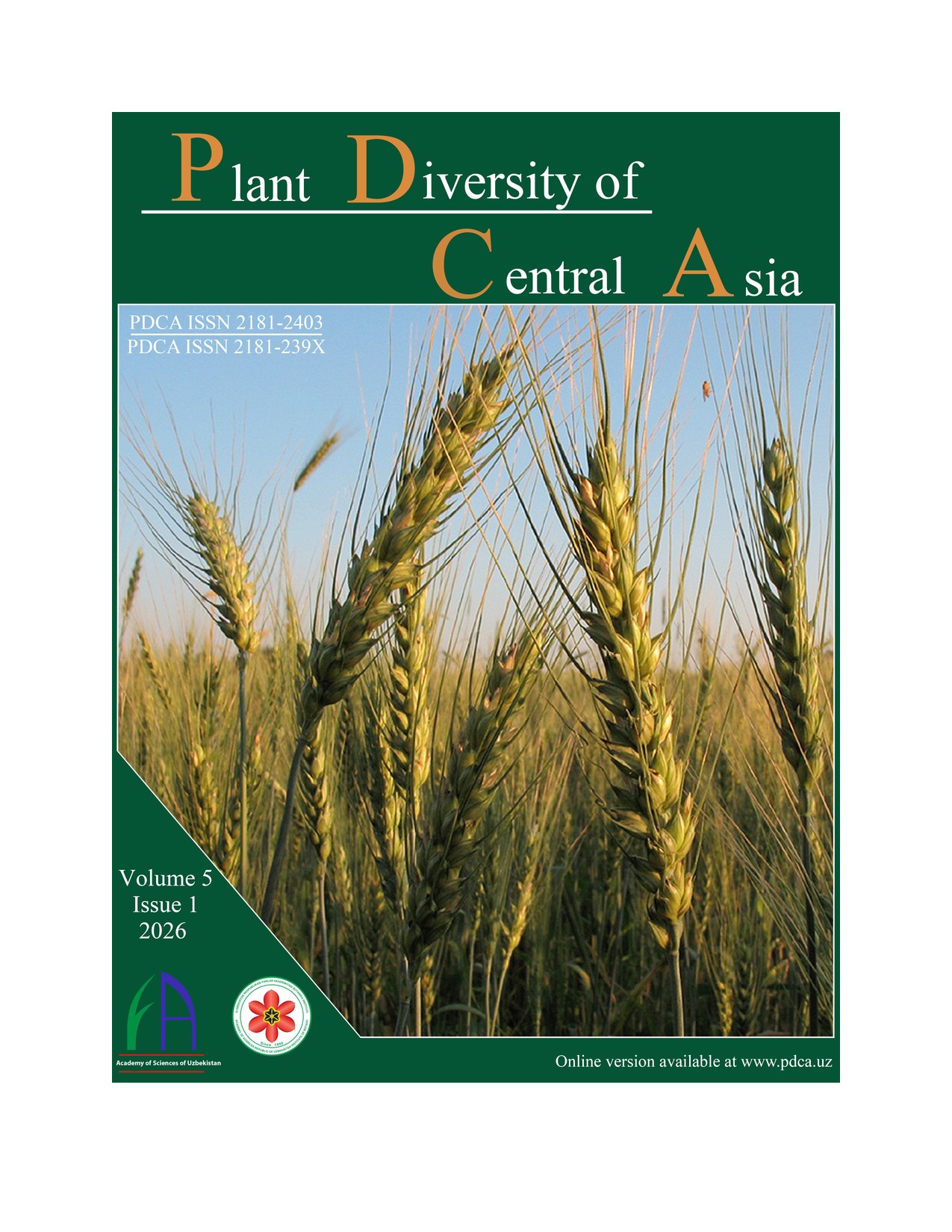
This issue of Plant Diversity of Central Asia (Vol. 5, Issue 1) highlights advances in understanding plant responses to heavy-metal stress through an integrated assessment of chromium toxicity in wheat. Featuring a study by Fayaz Asad et al., the issue evaluates two wheat cultivars, Akbar-19 and Fakhar-e-Bhakkar, exposed to increasing chromium concentrations with and without serine co-application. Using three-way analysis of variance, linear mixed-effects modelling, dose–response analysis, principal component analysis, and multivariate analysis of variance, the study reveals a clear dose-dependent decline in growth and biochemical performance. Serine provided partial mitigation, but its effectiveness varied among traits, chromium levels, and cultivars, with Akbar-19 showing greater shifts in estimated EC50 values for several responses. The first two principal components explained 74.7% of biochemical variation, while multivariate analysis confirmed significant effects of cultivar and chromium dose. Together, these findings emphasize the genotype- and dose-dependent nature of serine-mediated alleviation of chromium phytotoxicity in wheat.
-
Vol. 4 No. 2 (2025)
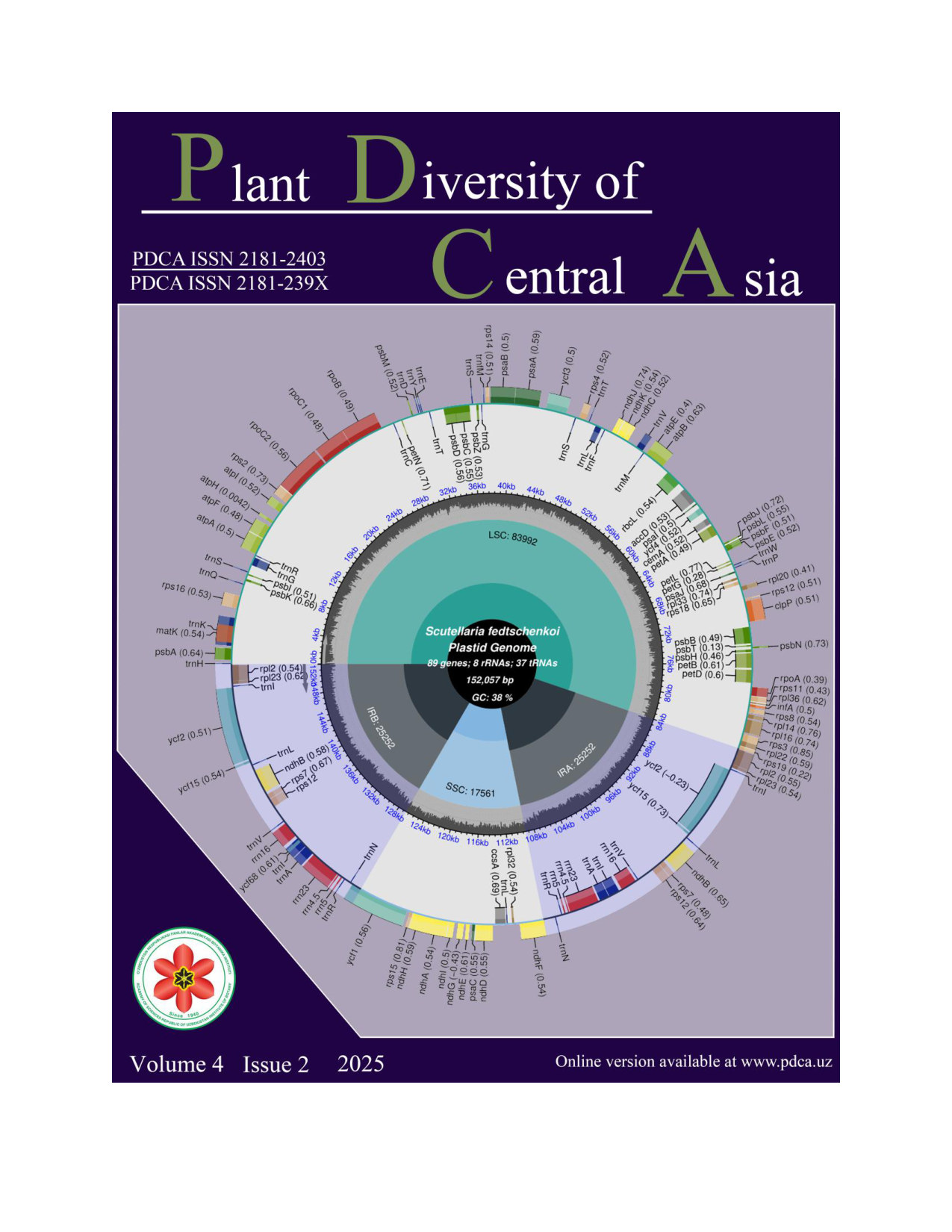
This issue of Plant Diversity of Central Asia (Vol. 4, No. 2, 2025) presents landmark advances in phylogenomics, historical biogeography, and quantitative floristic modeling across Central Asian ecosystems. Featuring a study by Bobur Karimov et al., the issue reconstructs the evolutionary history of Scutellaria (Lamiaceae) by analyzing 14 newly sequenced chloroplast genomes alongside 184 global plastomes, confirming the genus’s monophyly, solidifying the subgeneric cohesion of the Anaspis lineage, and tracing its biogeographic origin in southern Asia through subsequent diversification in Central Asia and worldwide dispersal. Complementing this, Otabek Sotiboldiyev et al. introduce the Polymorph Stability Index (PSI)—a novel, multidimensional framework integrating 64,619 georeferenced records across spatial coverage, ecological niche breadth, and taxonomic diversity—to evaluate floristic dominance in Surkhandarya, identifying Fabaceae, Asteraceae, and Poaceae as core polymorphic components of the regional flora. Together, these studies combine high-resolution genomic data with innovative spatial analysis to deepen understanding of lineage diversification and structural ecology in Central Asia.
-
Vol. 4 No. 1 (2025)
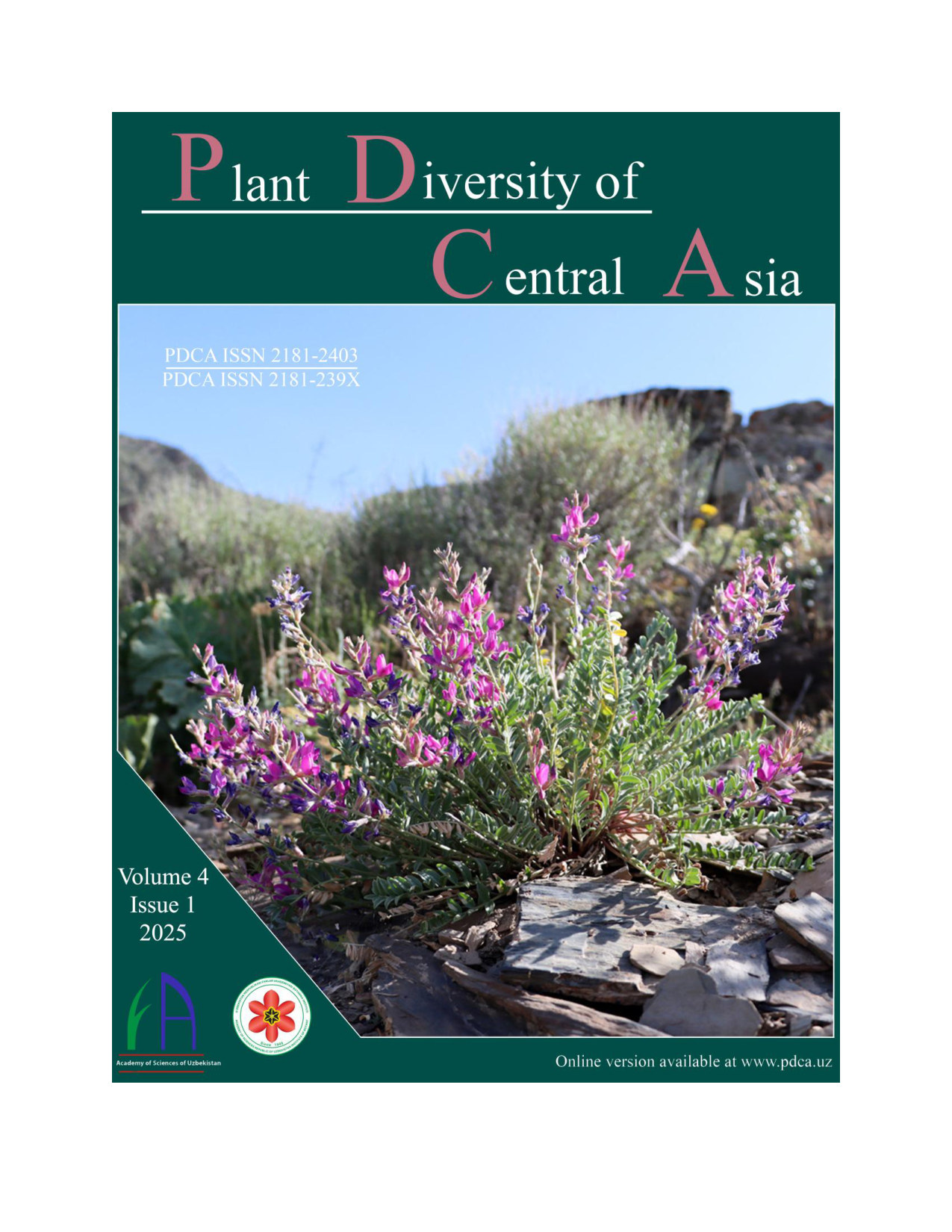
This issue of Plant Diversity of Central Asia (Vol. 4, No. 1, 2025) presents important historical and floristic contributions to Central Asian botany, highlighting regional species richness and foundational taxonomic achievements. Featuring a review by Reinhard Fritsch et al., the issue commemorates the scientific legacy of Furkat O. Khassanov (1959–2024), detailing his contributions to the taxonomy of complex genera (Allium, Astragalus, Iris), his leadership in key regional syntheses including the new Flora of Uzbekistan and national Red Data Book, and his role in fostering international research collaborations. Complementing this, Natalya Yu. Beshko provides the first complete annotated checklist of the vascular flora of the Nuratau Mountains—a Key Biodiversity Area and recognized center of endemism—documenting 1,320 species across 471 genera and 86 families at the junction of the Central Asian Mountain and Turanian phytogeographical provinces. Together, these contributions honor a foundational legacy in regional taxonomy while advancing baseline floristic knowledge in a critical biodiversity hotspot.
-
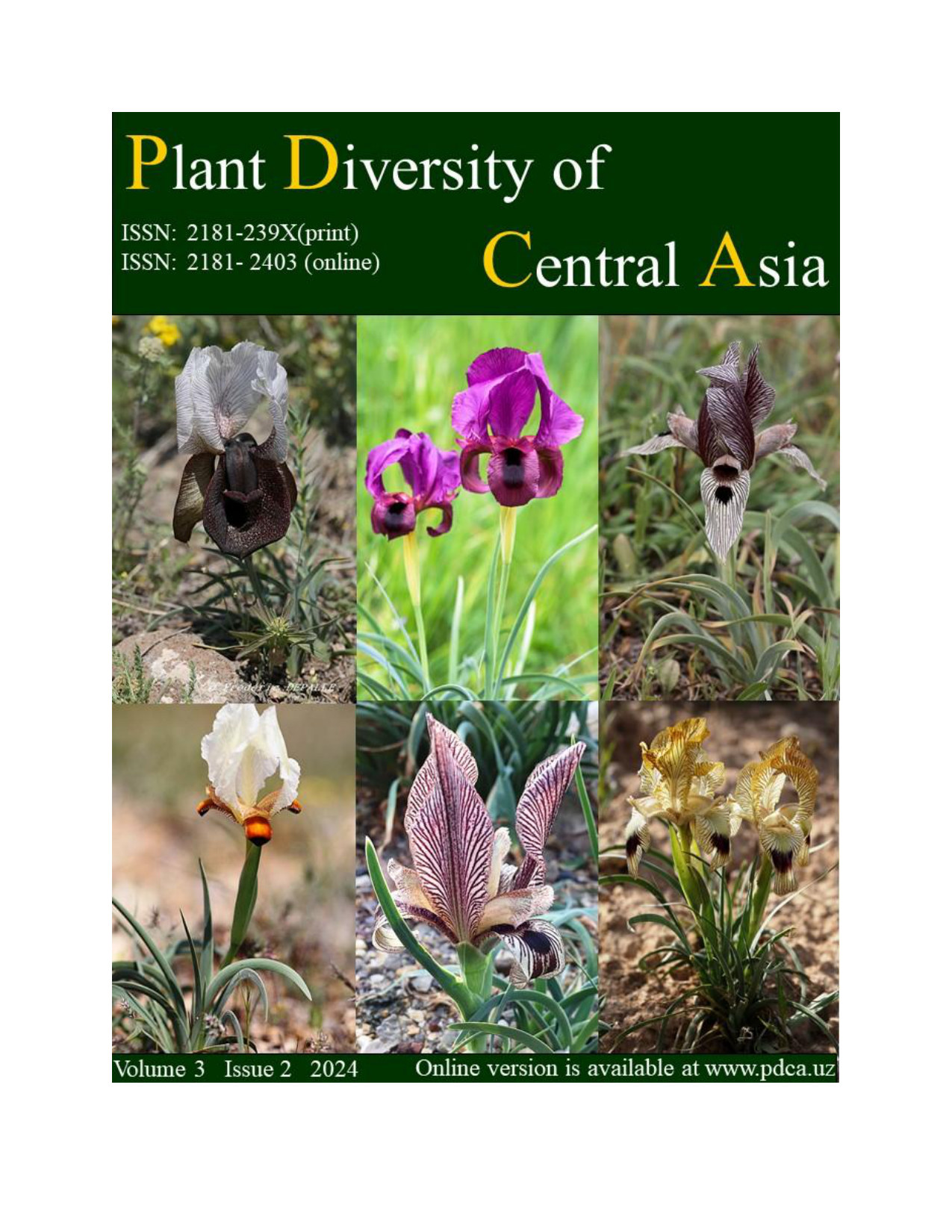
Vol. 3 No. 2 (2024)
This issue of Plant Diversity of Central Asia (Vol. 3, No. 2, 2024) presents landmark advances in ethnobotanical synthesis, plastid phylogenomics, and systematic revisions across Asian flora. Featuring a review by Min He et al., the issue highlights the cultural, chemical, and pharmacological significance of medicinal rhubarb (Rheum spp.), establishing a collaborative research framework between Uzbekistan and China to integrate traditional knowledge with modern analytical bioscience. Complementing this, Sergei Volis et al. utilize 39 complete chloroplast genomes to resolve the complex evolutionary history and biogeography of Iris sect. Oncocyclus, confirming its monophyly, tracing its origin from Iran into the Caucasus and Levant driven by floral adaptation, and revising its taxonomy through the establishment of a new section (Khorassania) alongside multiple species-level rank elevations. Together, these studies bridge traditional botanical applications and cutting-edge genomic data to advance the understanding and utilization of regional plant diversity.
-
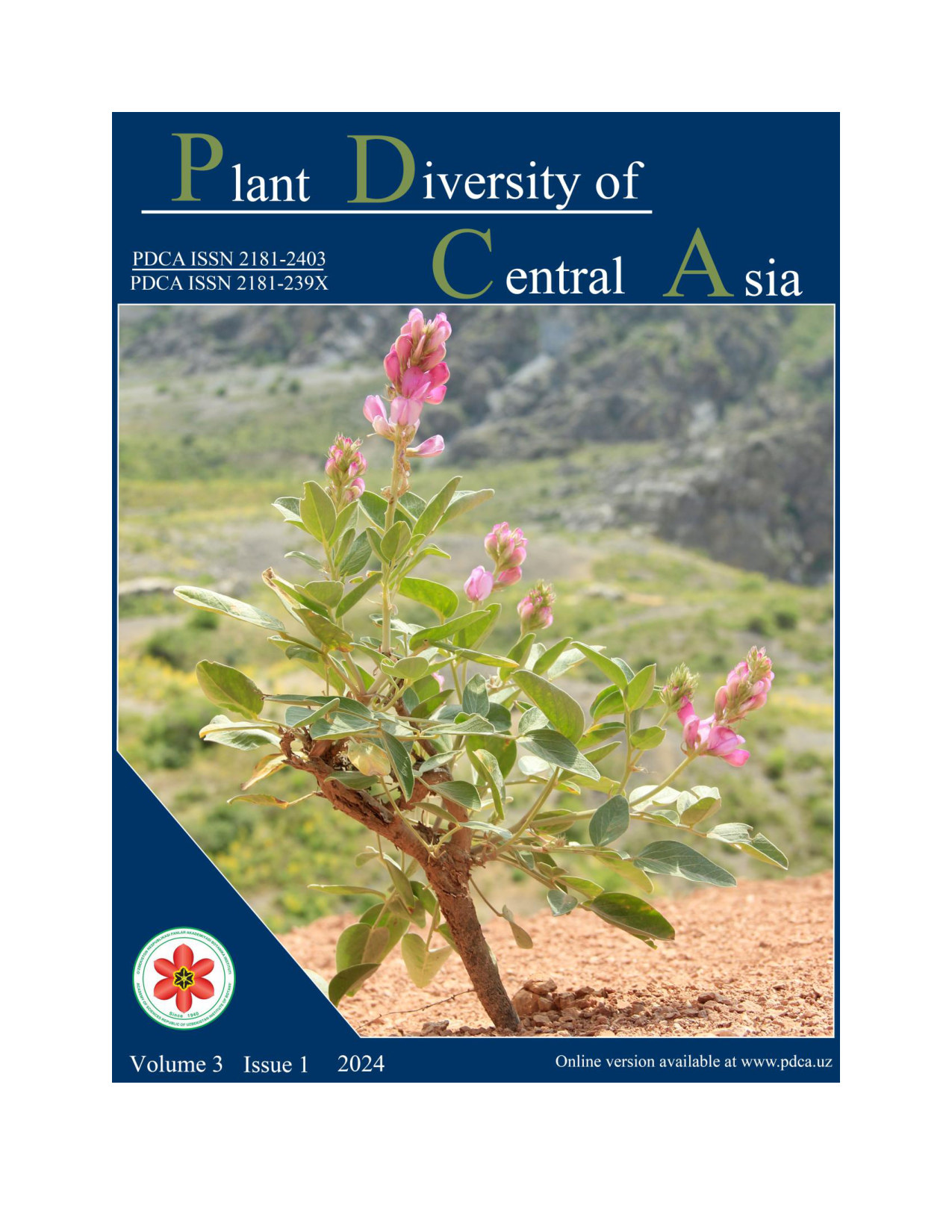
Vol. 3 No. 1 (2024)
This issue of Plant Diversity of Central Asia (Vol. 3, No. 1, 2024) presents a monograph-style taxonomic and phylogenetic revision of the genus Hedysarum (Fabaceae; Hedysareae) in Uzbekistan by Juramurodov et al. Reconstructing the phylogenetic relationships of 26 native species using ITS and plastid DNA sequences, the authors classify the regional taxa into three distinct clades corresponding to section Hedysarum (1 species), section Stracheya (2 species), and subsection Crinifera of section Multicaulia (23 species). The study evaluates 22 diagnostic morphological characters, revealing widespread homoplasy across the genus and identifying key synapomorphic traits—such as pendent flowers and pod joint morphology—on the monophyletic plastid tree, while highlighting unique apomorphies (e.g., reduced leaflet pairs, elongated bracts) within subsection Crinifera. Complete species descriptions, nomenclatural data, type citations, and national distribution maps are provided.
-
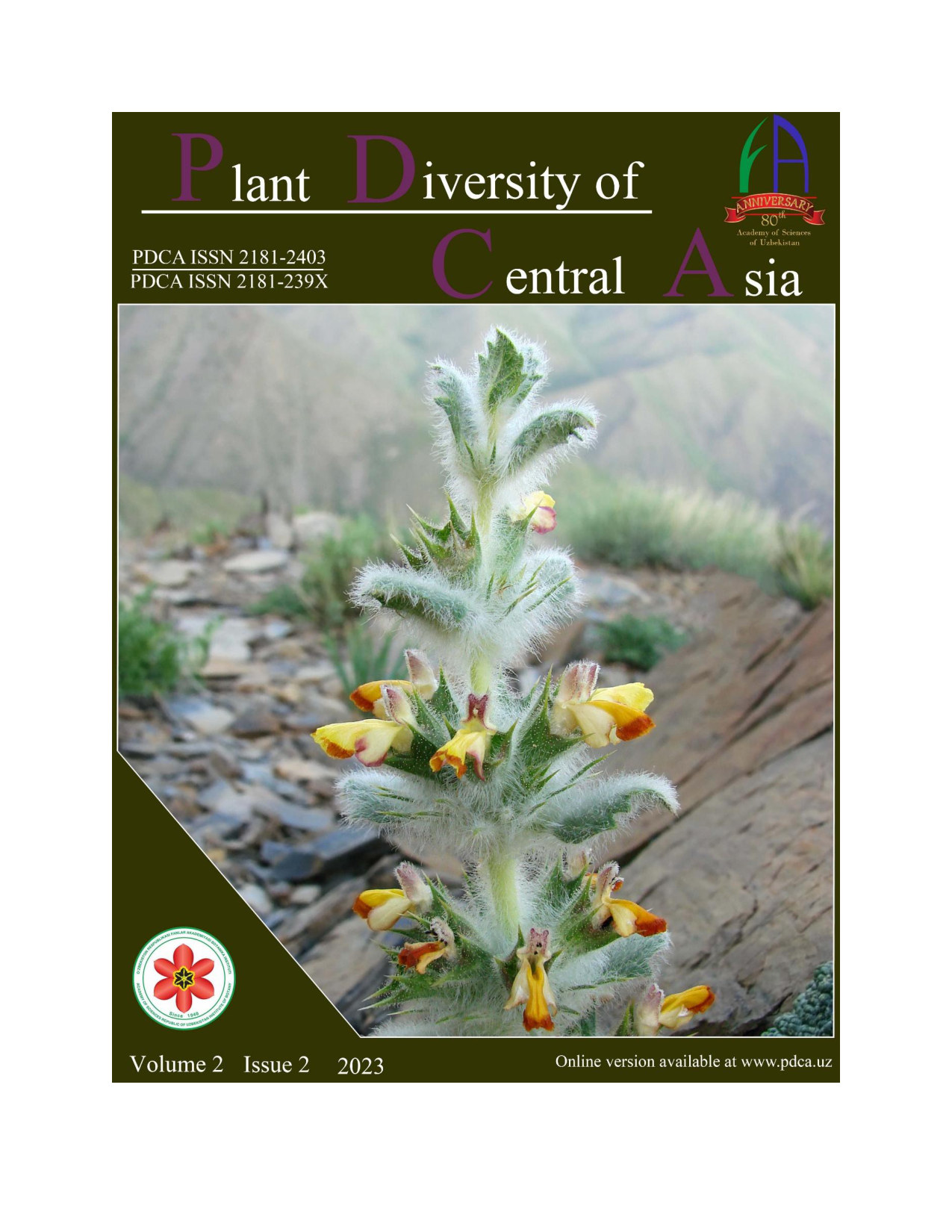
Vol. 2 No. 2 (2023)
This issue of Plant Diversity of Central Asia (Vol. 2, No. 2, 2023) brings together pivotal contributions on the documentation, phylogenetic resolution, and multi-tiered conservation of Central Asia's unique and threatened flora, with a primary geographic focus on Uzbekistan. Integrating high-resolution molecular marker discovery, climate-informed species distribution modeling (SDM), and comprehensive threat assessments, the collected studies establish actionable paradigms for biodiversity management in a major global hotspot. Highlights include an interconnected regional conservation strategy linking in situ, ex situ, and quasi in situ approaches to recover severely threatened local endemics; an assessment of anthropogenic pressures on Uzbekistan’s Tulipa (Liliaceae) species along with new community-driven conservation models; predictive modeling of narrow endemics in the Nuratau Mountains detailing climate-driven habitat loss and the necessity of assisted migration; and complete plastid genome analyses of four Iris (subg. Scorpiris) species that pinpoint six high-divergence loci for resolving complex phylogenies. Together, these papers bridge molecular phylogenetics and spatial ecology to address the urgent conservation priorities of Central Asian botanical diversity.
-
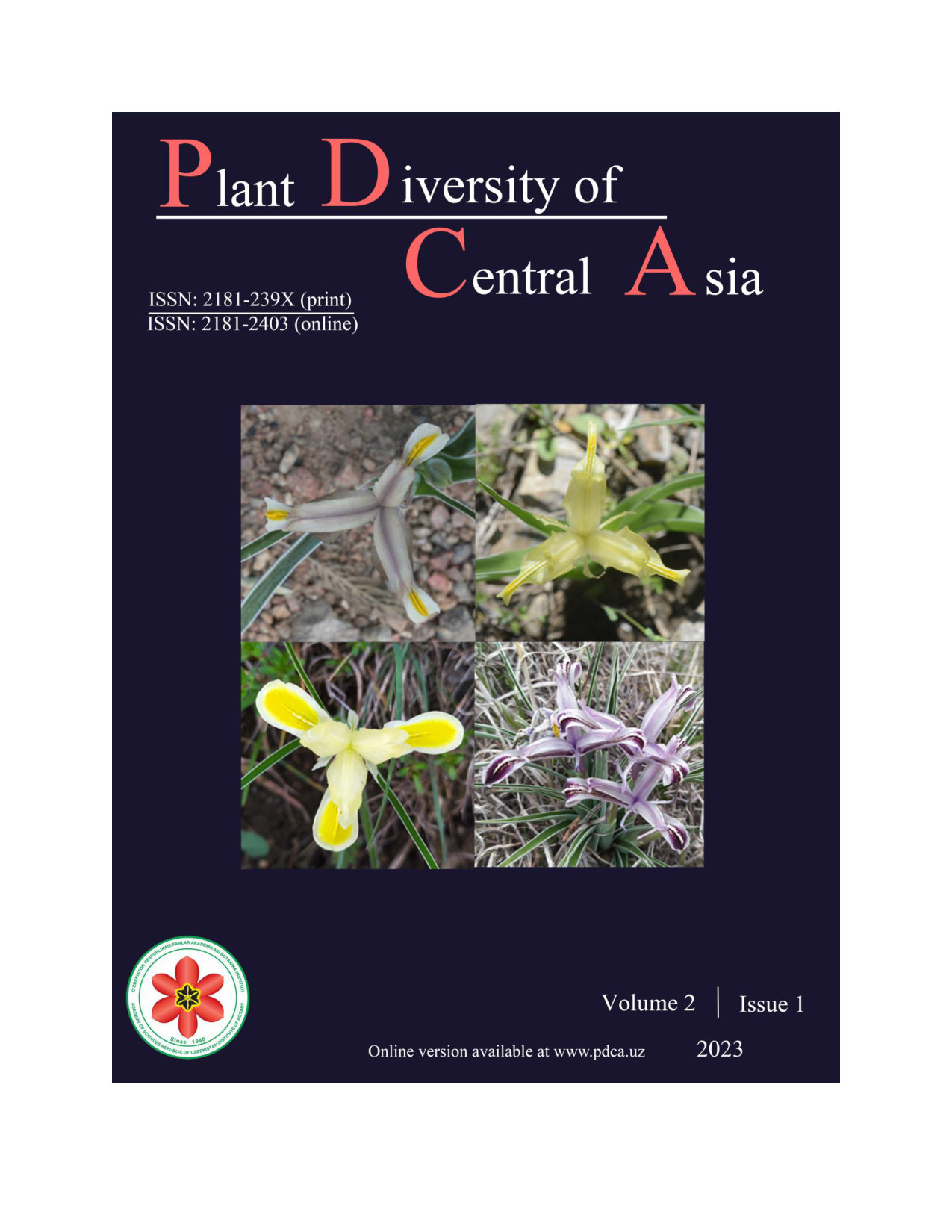
Vol. 2 No. 1 (2023)
This issue of Plant Diversity of Central Asia (Vol. 2, No. 1, 2023) presents a landmark, comprehensive taxonomic revision of the genus Iris L. s. l. (Iridaceae) within the Mountains of Central Asia biodiversity hotspot. In this monograph, Sennikov et al. establish a novel, phylogeny-based classification framework recognizing 57 species across 14 sections, highlighting Central Asia as the global diversity hotspot for juno irises (38 species). Beyond identifying the Hissar (21 species) and Tian-Shan (14 species) ranges as primary centers of species richness, the issue provides an updated morphology- and phylogeny-based identification key, detailed distribution maps, ecological profiles, and extensive nomenclatural updates—including the first record of Iris alberti in Uzbekistan, four new combinations, the validation of I. kopetdagensis, multiple synonymizations, and 14 formal lectotypifications.
-
Vol. 1 No. 2 (2022)
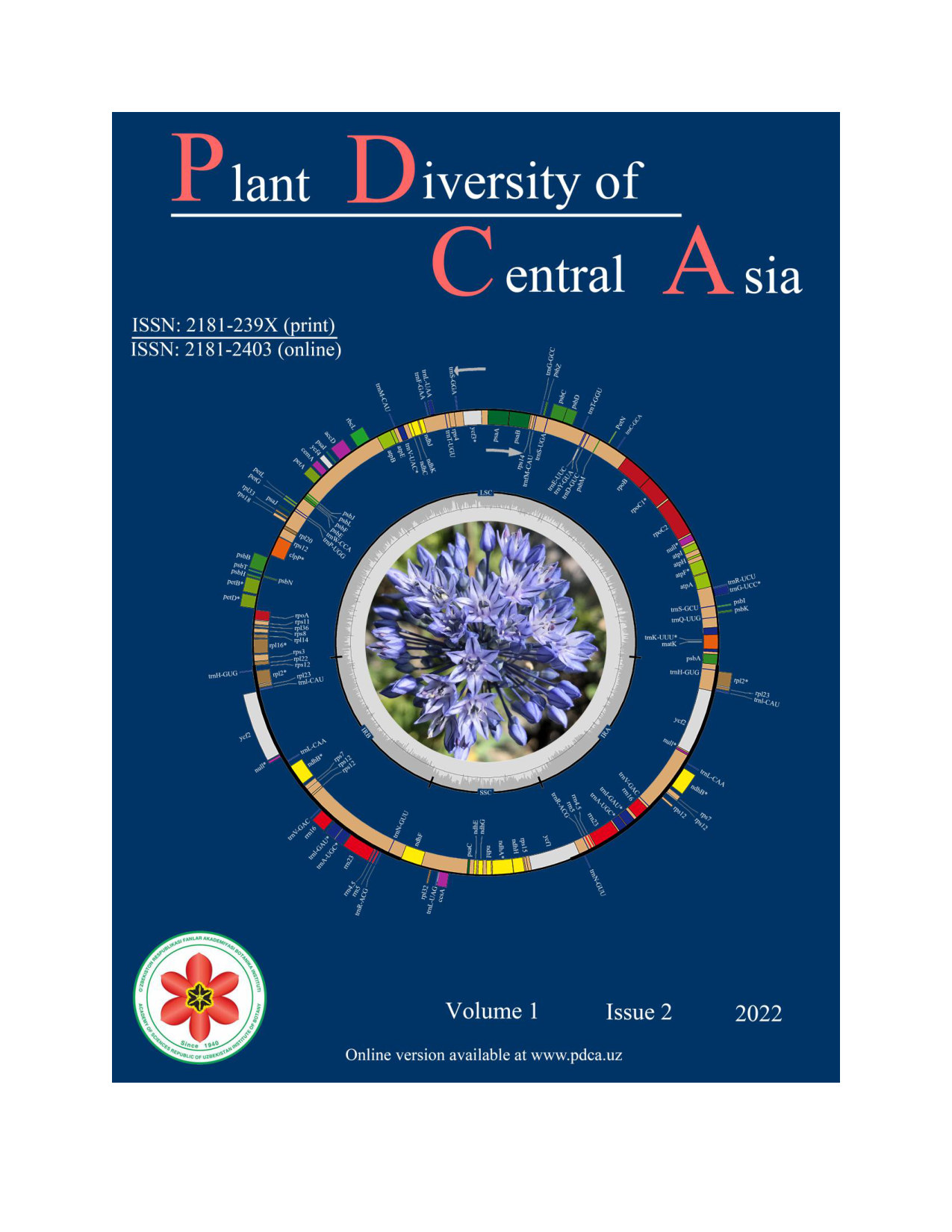
This issue of Plant Diversity of Central Asia (Vol. 1, No. 2, 2022) presents a comprehensive synthesis of spatial conservation tools, historical taxonomy, geospatial modeling, morphological cladistics, and phylogenomics focusing on Central Asian plant diversity. Across five contributions, the issue highlights the utility of Species Distribution Modeling (SDM) for reserve design, translocation, and estimating critical habitats for narrow endemics; commemorates the legacy and taxonomic achievements of Aleksei Ivanovich Vvedensky (1898–1972), founder of the National Herbarium of Uzbekistan (TASH); examines environmental drivers of Tulipa distributions in Uzbekistan via SDM, revealing altitude (700–2200 m) and climate as primary determinants alongside topography for select species; provides a cladistic analysis, updated identification key, and taxonomic synopsis for 32 Eremurus species (Asphodelaceae) in Uzbekistan; and sequences full chloroplast genomes for 10 Central Asian Allium species (subg. Allium), identifying key variable genes while demonstrating discordance between plastid phylogenetics and traditional sectional classifications.
-
Vol. 1 No. 1 (2022)
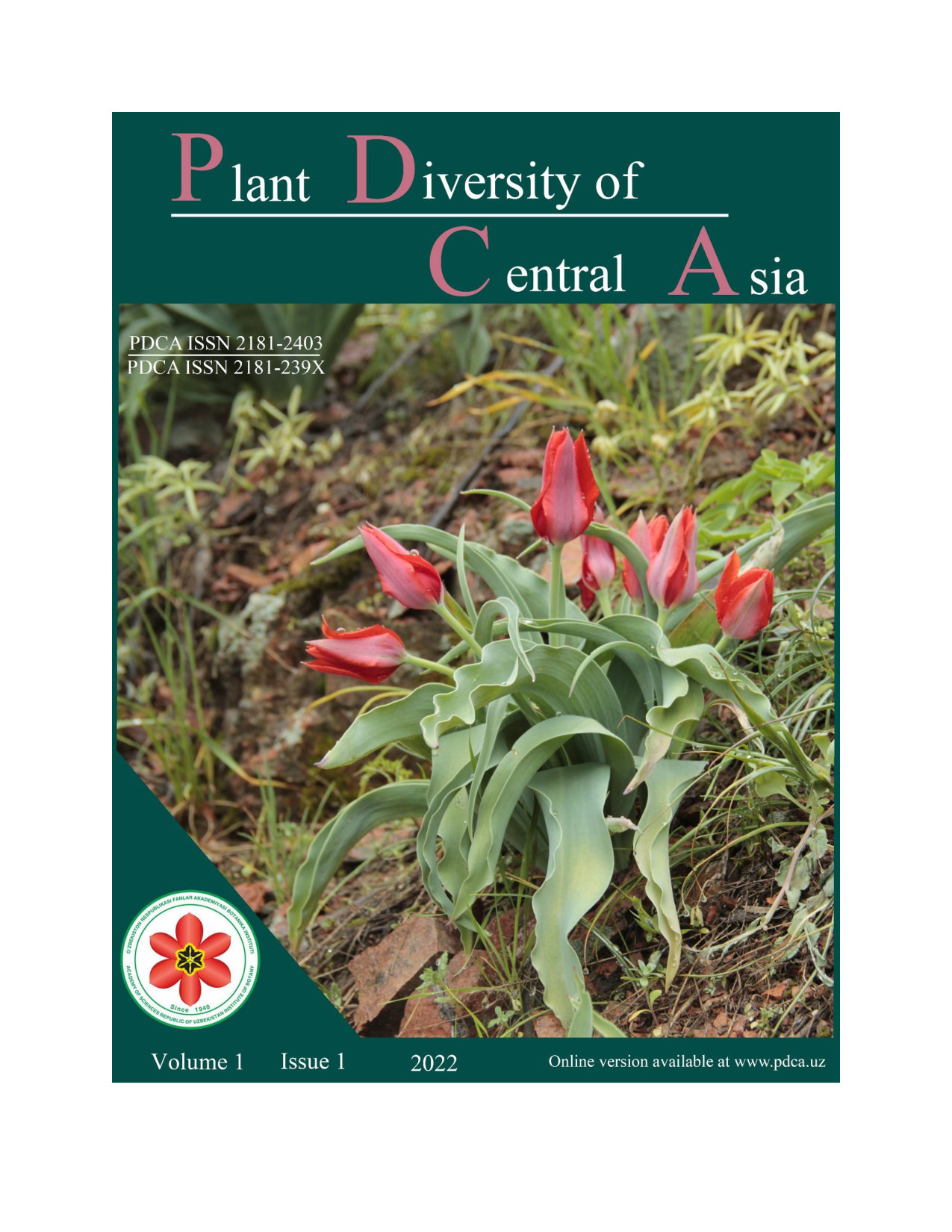
This issue of Plant Diversity of Central Asia (Vol. 1, No. 1, 2022) introduces foundational research spanning evolutionary genetics, phytogeography, comparative morphology, historical taxonomy, and conservation methodology across Central Asia. Across five articles, the inaugural issue examines local adaptation mechanisms in wild barley (Hordeum spontaneum), revealing that epistatic genetic interactions and local selection drive adaptation across aridity gradients; documents plant endemism in Uzbekistan's Surkhondaryo province, mapping 63 provincial endemics to highlight the Boysun region as a primary hotspot while noting the probable extinction of Dipcadi turkestanicum; presents a 24-character cladistic morphological analysis of 48 Tulipa species from their primary center of diversity in the Tian Shan and Pamir-Alay mountains; compiles a complete inventory of 130 Umbelliferae type specimens preserved in the National Herbarium of Uzbekistan (TASH), designating four new lectotypes; and outlines a conservation-oriented restoration paradigm designed to mitigate habitat degradation and safeguard threatened flora throughout Central Asia.